
Troubleshooting
Posting too much online can have serious real-world consequences. These 10 dangers of oversharing on social media reveal how a single careless post can impact your privacy, security, and even your career.
Identity Theft and Financial Fraud Risks
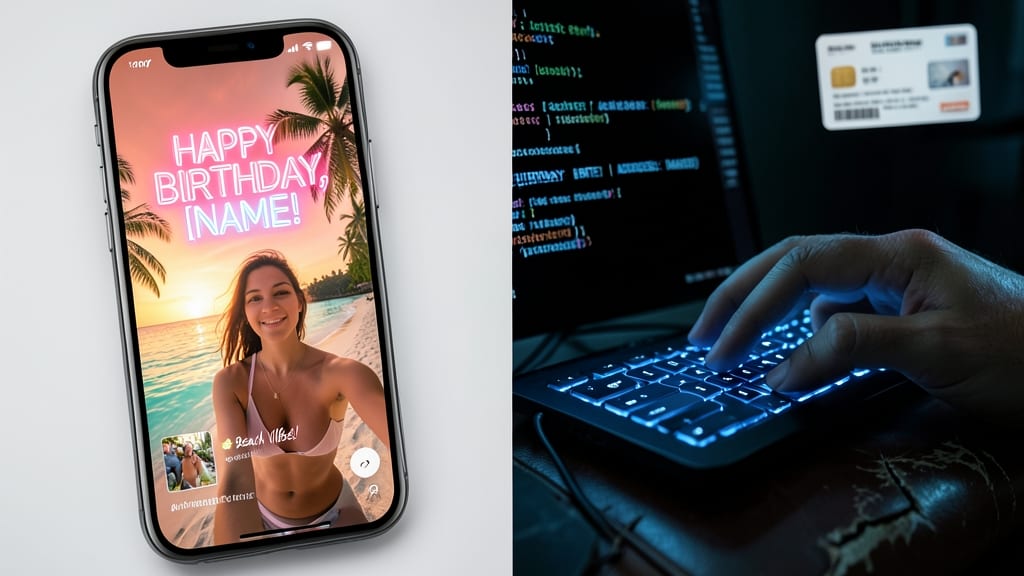
That seemingly harmless birthday post or vacation photo might be handing hackers the keys to your financial world. Cybercriminals use overshared personal details like addresses, birthdays, and travel dates to unlock accounts, apply for credit cards, or even file fraudulent tax returns—often leaving victims with thousands in debt and years to recover.
For example, a public birthday can bypass security questions, while geotagged vacation photos reveal empty homes. Fraudsters exploit these details through synthetic identity theft, creating entirely new credit profiles using your stolen data. Even "harmless" posts about your child’s school name or pet’s breed can be pieced together to answer security questions and hijack accounts.
This risk isn’t just for tech novices—high-profile executives and small business owners have fallen victim to oversharing. If you’ve ever posted your home address, school alumni status, or even your favorite childhood band, you’ve given scammers enough clues to piece together your digital identity. 💻
Job Loss from Inappropriate Posts
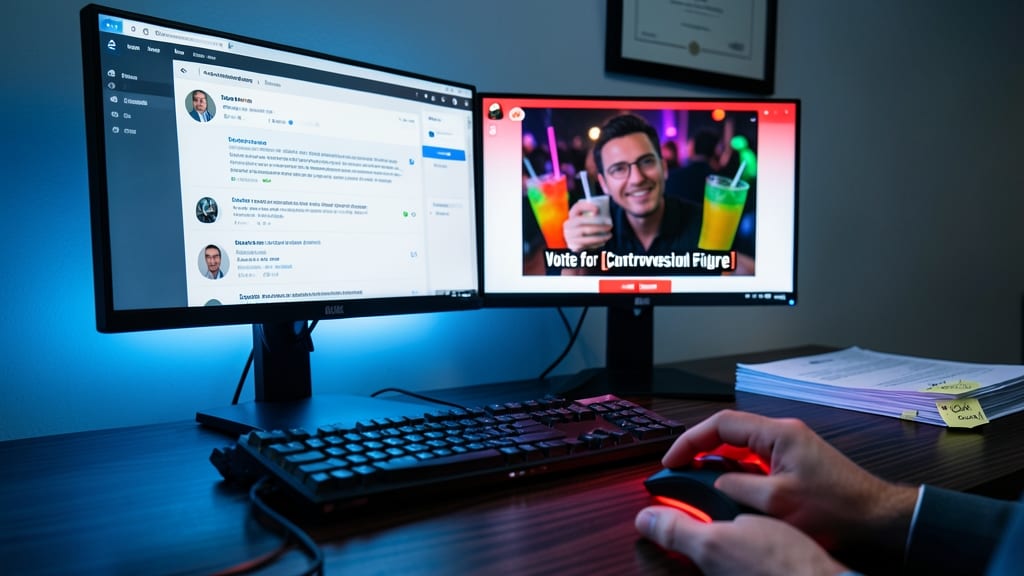
Your next job interview might hinge on more than just your resume—HR departments now use social media screening tools like Social Intelligence or HireRight to vet candidates before even meeting them. A single offensive post, outdated political rant, or unprofessional photo can derail your career before it starts.
Over 70% of employers check candidates’ profiles, with 43% rejecting applicants due to inappropriate content, according to CareerBuilder. Even current employees aren’t safe: LinkedIn’s 2023 report found that 35% of hiring managers have fired someone over social media posts. The stakes are high—one viral misstep can cost you promotions, raises, or even your job.
Freelancers, remote workers, and professionals in creative fields face the highest risk, as their personal brand directly impacts client trust. A quick audit of your profiles could save your career before it’s too late. 💻
Stalking and Harassment Exposure
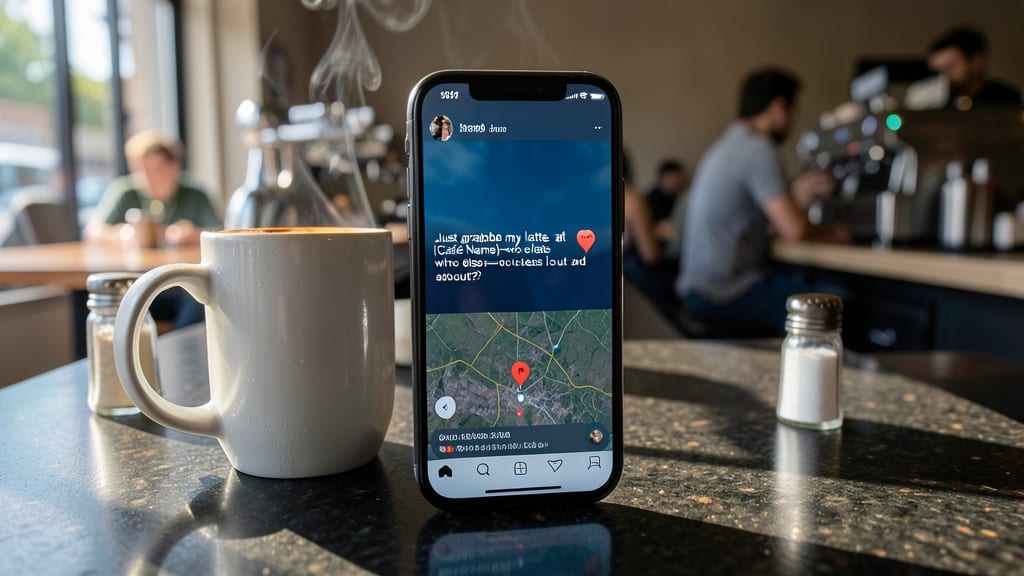
Your daily check-in post about your morning coffee run might seem harmless, but geotagging locations or sharing real-time routines turns your social media into a tracking beacon for predators and obsessive followers.
Apps like Instagram and Facebook default to geotagging enabled, broadcasting your exact whereabouts to strangers. Even "check-ins" at gyms, schools, or home addresses create patterns criminals exploit. One stalker case in 2022 involved a predator using public location history to ambush a victim after they posted their daily dog-walking route for months. ⚡
Blackmail and Extortion Threats
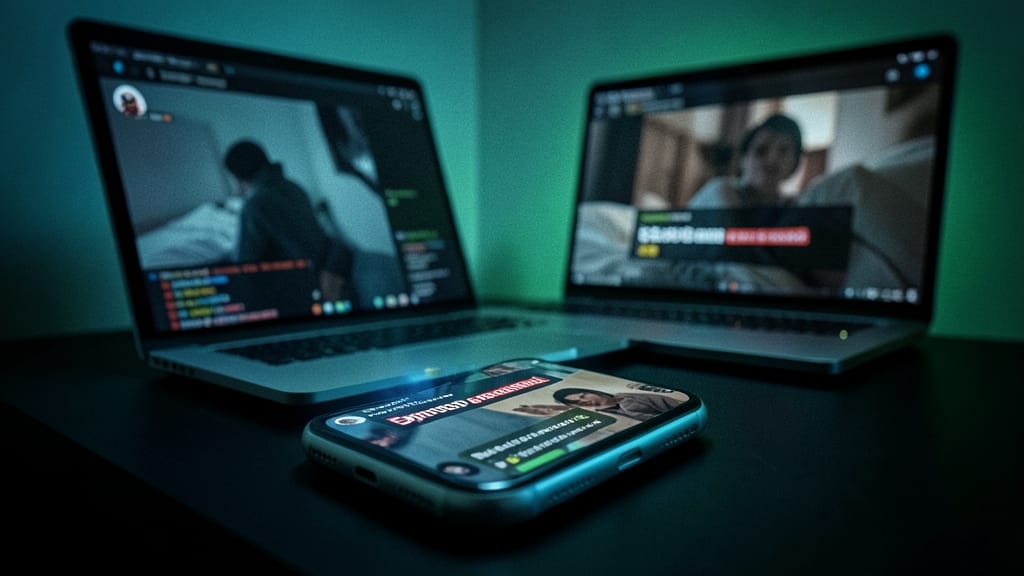
Imagine waking up to a message demanding $5,000—or worse, a threat to expose private moments you never intended to share. Cybercriminals don’t just steal data; they weaponize it. Private photos, unguarded confessions, or even seemingly harmless stories can become leverage in blackmail and extortion schemes, often targeting victims through compromised accounts or leaked data.
These threats often start with oversharing on platforms like Instagram, Snapchat, or even private DMs. Once criminals gain access—through phishing, hacked emails, or leaked cloud backups—they exploit vulnerabilities, demanding payments or favors to "keep secrets safe." Tools like Bitcoin transactions make it nearly impossible to trace, while deepfake technology can even fabricate compromising content if needed. Victims report cases where threats escalate if demands aren’t met, turning personal data into a digital hostage.
This isn’t just about celebrities—anyone with private content online is at risk. Students, professionals, and everyday users have all fallen victim. The best defense? Regularly audit shared content, use strong, unique passwords, and enable two-factor authentication on all accounts. 💻
Social Media Account Hijacking
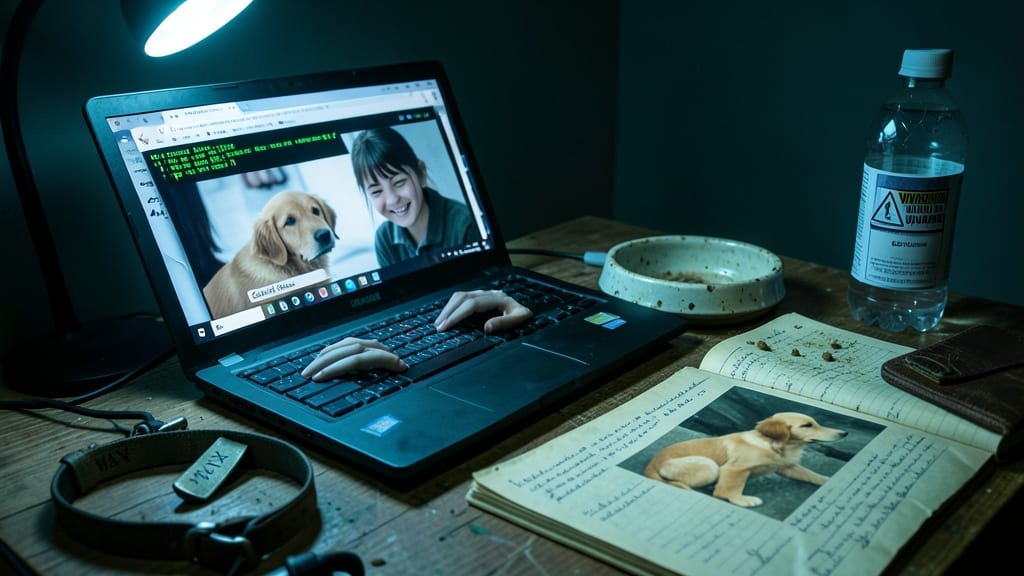
Your childhood pet’s name isn’t just a fun fact—it’s a goldmine for hackers. When you post details like your high school name, first pet’s breed, or mother’s maiden name, you’re handing cybercriminals the keys to reset your passwords and hijack your accounts.
Most platforms still rely on security questions that draw directly from overshared info. A quick search of your social media can reveal enough clues to answer questions like “What was your first car?” or “Where did you meet your spouse?”—enabling attackers to bypass two-factor authentication and lock you out of your own accounts. Even worse, once they’re in, they can change recovery emails, leaving you powerless to regain control. ⚡
Damaged Personal Relationships
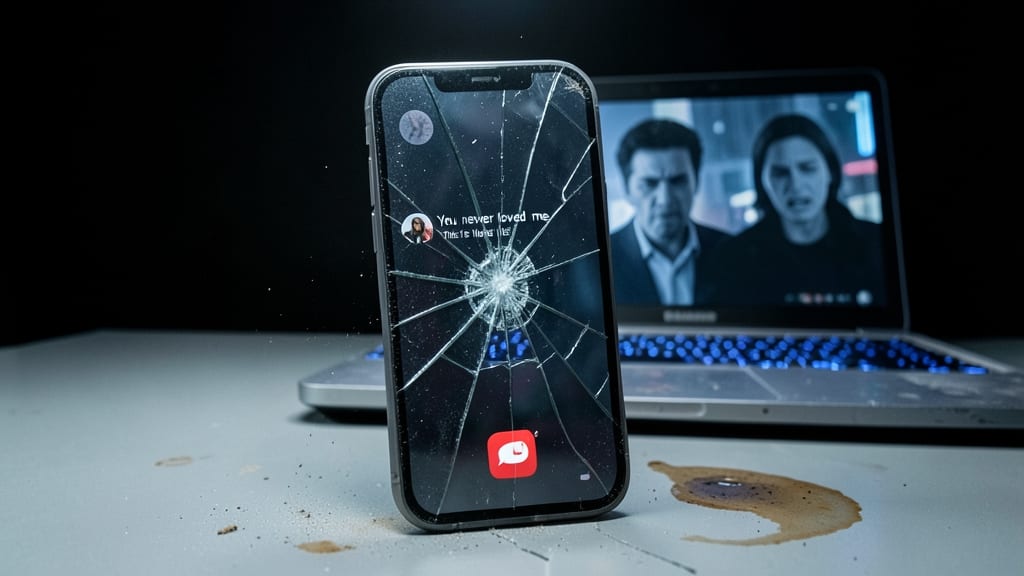
That heated argument with your partner or the messy details of a breakup might feel cathartic to post—but once it’s online, it’s permanent. Social media platforms like Facebook and Instagram lack built-in "undo" buttons for emotional damage, and screenshots or third-party shares can spread faster than you can delete the post.
Even private stories or DMs can be leaked or misinterpreted by friends, family, or even future employers. Studies show that 63% of hiring managers have rejected candidates due to oversharing personal conflicts, while 42% of divorces involve evidence from social media posts. The emotional toll? Irreparable trust gaps, awkward confrontations at family gatherings, or even legal battles over custody or alimony.
If you’re already in a relationship or rebuilding one, think twice before hitting "post." Use platform privacy tools (like Instagram’s "Close Friends" or Facebook’s "Audience Selector") to limit who sees sensitive content—and remember, digital footprints outlast apologies. ✨
Phishing Scams Through Shared Data
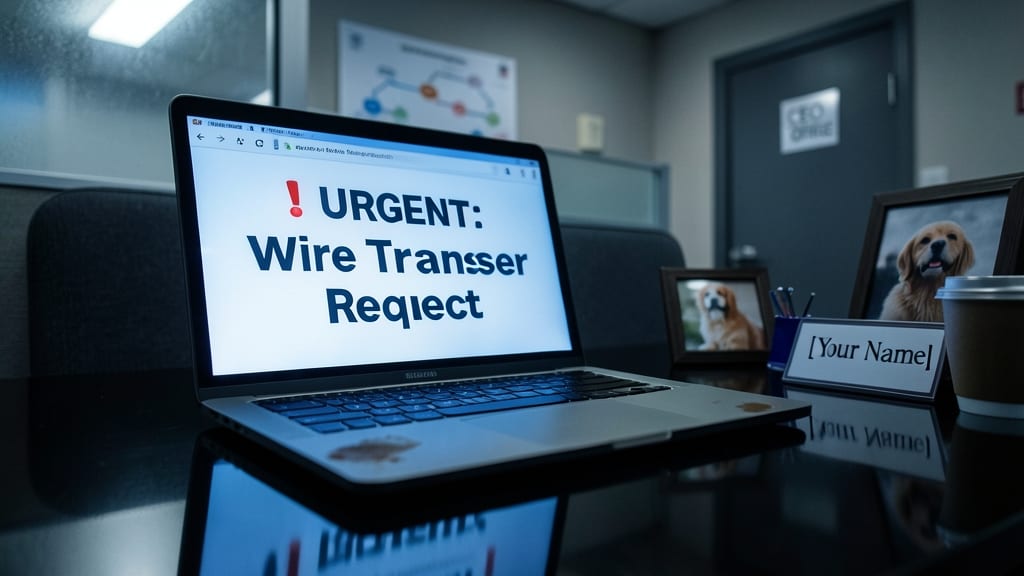
Ever received an email from your boss asking for an "urgent" wire transfer? Scammers use publicly shared details—like your workplace, school, or even your pet’s name—to craft hyper-realistic phishing messages that bypass basic security filters. These aren’t random scams; they’re targeted attacks built from your own social media footprint.
A single post about your company’s new project or college reunion gives hackers enough context to mimic a trusted contact. For example, a fake "CEO emergency" email becomes far more convincing if it references a recent work event you posted about. Tools like email spoofing and domain impersonation make these scams nearly indistinguishable from real communications, tricking even cautious users into handing over login credentials, financial data, or gift card balances.
This risk isn’t just for professionals—students, freelancers, and even retirees are targeted using overshared details. The best defense? Enable multi-factor authentication (MFA) and verify unexpected requests via a separate, secure channel. 💡
Legal Consequences for Defamation
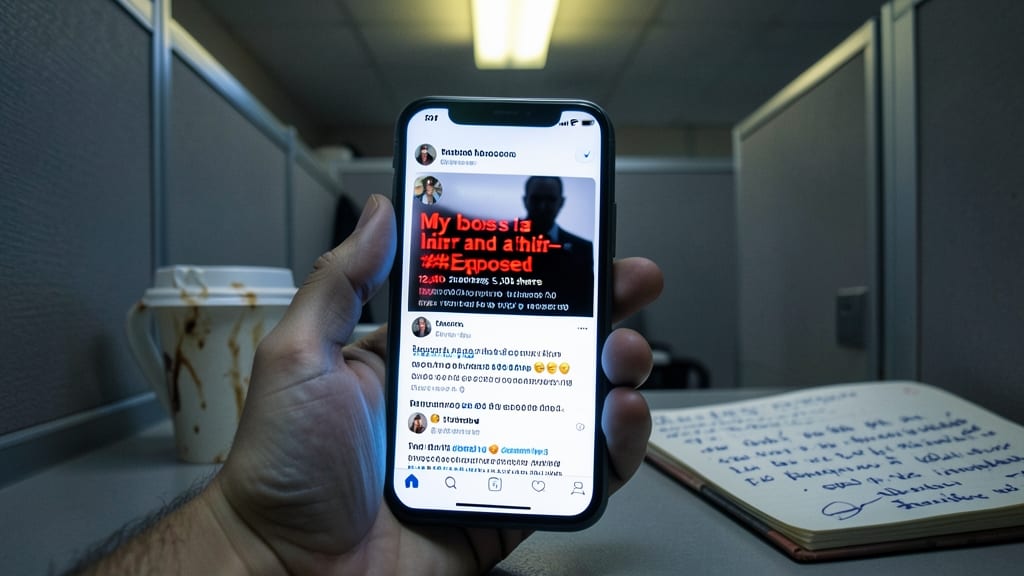
That one angry post about your boss or that viral complaint about a local business might seem harmless—but it could land you in court. Defamation laws protect reputations, and false statements (even if you believe them) can trigger lawsuits with six-figure settlements or forced retractions.
Courts often consider context, audience reach, and intent when evaluating posts. A single tweet or Facebook rant could expose you to libel claims (written defamation) or slander (spoken/spread claims), with damages varying by state. Even "satire" or "opinion" posts can backfire if they cross into actionable harm—like accusing someone of fraud without proof.
Small business owners and public figures face the highest risks, but anyone can be sued. Always fact-check claims before posting and consider muting controversial topics entirely. 💪
Targeted Cyberbullying Attacks
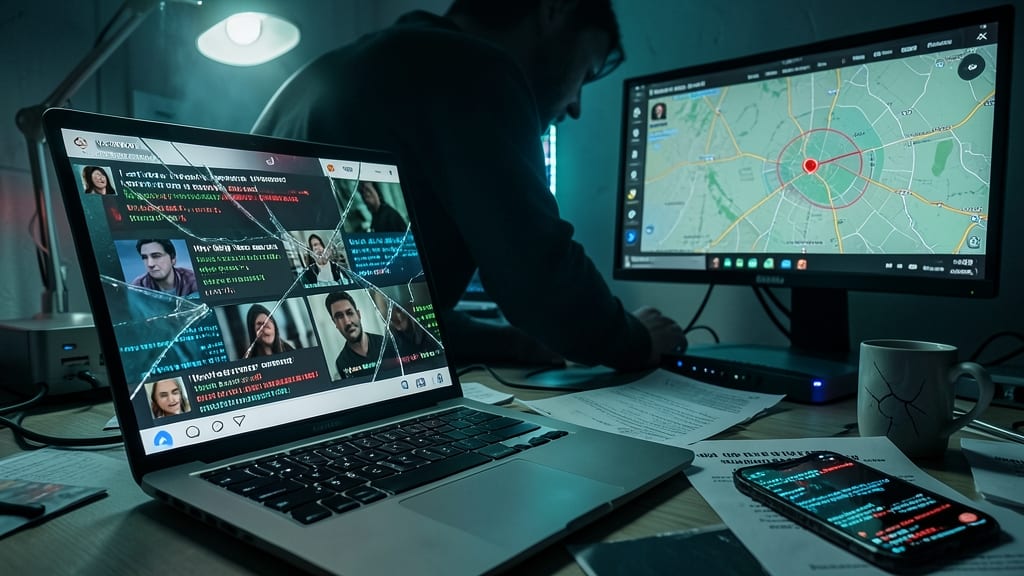
When you overshare personal struggles—like mental health battles or past traumas—you’re not just venting to friends. You’re handing cyberbullies a targeted weapon to exploit your vulnerabilities, often with devastating precision.
Harassers use AI-powered tools to scour social media for weak points, then weaponize them with personalized insults or doxxing threats. A single post about anxiety can trigger relentless mockery, while oversharing trauma histories may attract predators posing as allies. Even well-meaning support groups can become hunting grounds for trolls.
This risk isn’t just emotional—it can escalate to real-world threats, including harassment campaigns that follow you offline. If you’ve ever shared sensitive details, now’s the time to audit your privacy settings and limit who sees your posts. 💪
Loss of Future Opportunities
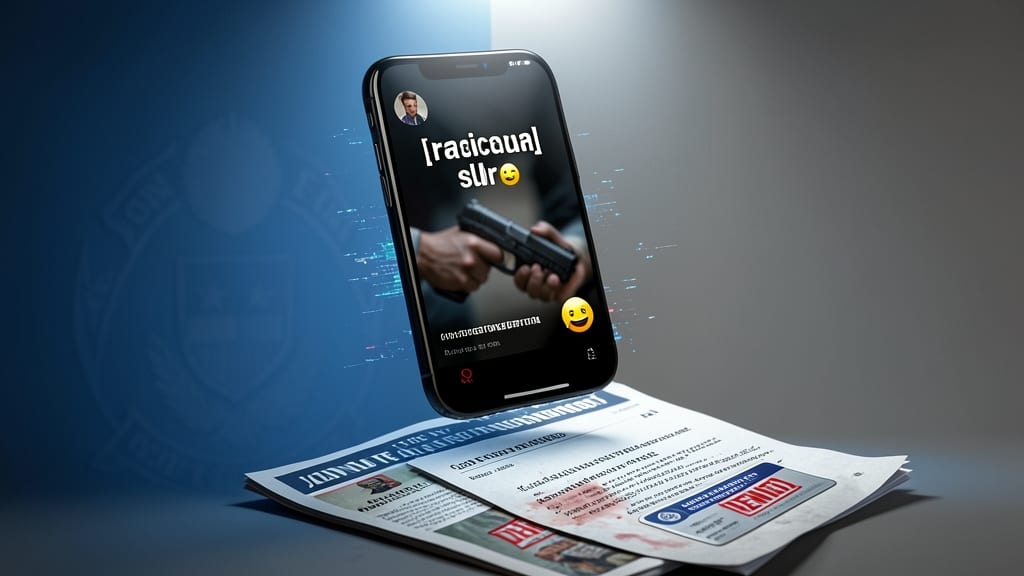
Your dream career or education could vanish in seconds—80% of colleges and military branches now screen applicants' social media before approval. A single post with racial slurs, illegal activity, or even questionable humor can trigger automatic disqualification, with no appeals in many cases.
Even seemingly harmless content—like partying photos, political rants, or unprofessional language—can raise red flags. The U.S. Army and Harvard University have both revoked admissions or offers after finding problematic posts, often without warning. These organizations use AI-powered screening tools to flag risky behavior before human reviewers even see your application.
If you're applying to ROTC programs, Ivy League schools, or competitive tech jobs, assume your social media will be scrutinized. The best defense? Audit your profiles now—delete old posts, adjust privacy settings, and think twice before hitting "share." 💻