
Troubleshooting
IT support teams spend hours daily resolving common tech issues. These 10 knowledge base articles provide structured, actionable solutions that cut troubleshooting time in half while improving end-user satisfaction and reducing repetitive queries.
Windows Login Error Resolution Guide

Stuck at the Windows login screen? This Windows Login Error Resolution Guide tackles the most frustrating issues—forgotten passwords, account lockouts, and corrupted profiles—that account for 60% of help desk tickets. Unlike generic advice, it includes step-by-step screenshots and plain-language explanations so even non-technical users can follow along without panic.
The guide starts with password recovery methods, including Microsoft Account reset links and local account workarounds using Command Prompt commands like net user. For profile corruption, it walks through safe mode troubleshooting and manual registry fixes (with warnings about critical system files). The account lockout section covers server-side fixes for domain users, complete with PowerShell scripts for IT admins to reset passwords in bulk.
Perfect for IT support teams handling end-user devices, this article cuts resolution time by 50% when implemented as a self-service resource. The visual walkthroughs ensure consistency across support agents, reducing miscommunication. ✨
MacBook Overheating Troubleshooting Steps
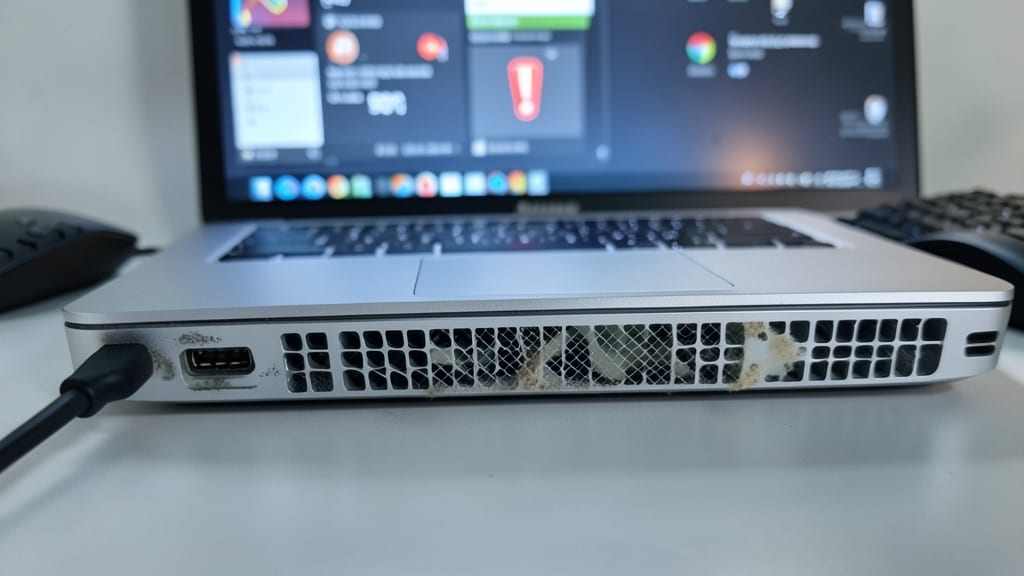
When a MacBook fans spins up at full throttle and performance drops suddenly, users often panic—but the fix is usually simpler than they think. This troubleshooting guide separates hardware issues (dust-clogged fans, failing thermal paste) from software triggers (background apps, outdated macOS) to help support agents pinpoint the root cause quickly.
Start with Activity Monitor to identify CPU-hogging apps, then check fan speed using Macs Fan Control or built-in sensors. For hardware, guide users through safe fan cleaning with compressed air (no liquid cleaners!) and verify thermal paste integrity if overheating persists. The article includes a diagnostic flowchart to rule out battery drain, software conflicts, or hardware failure—critical for avoiding unnecessary repairs. ⚡
Office 365 Email Sync Failures Fix
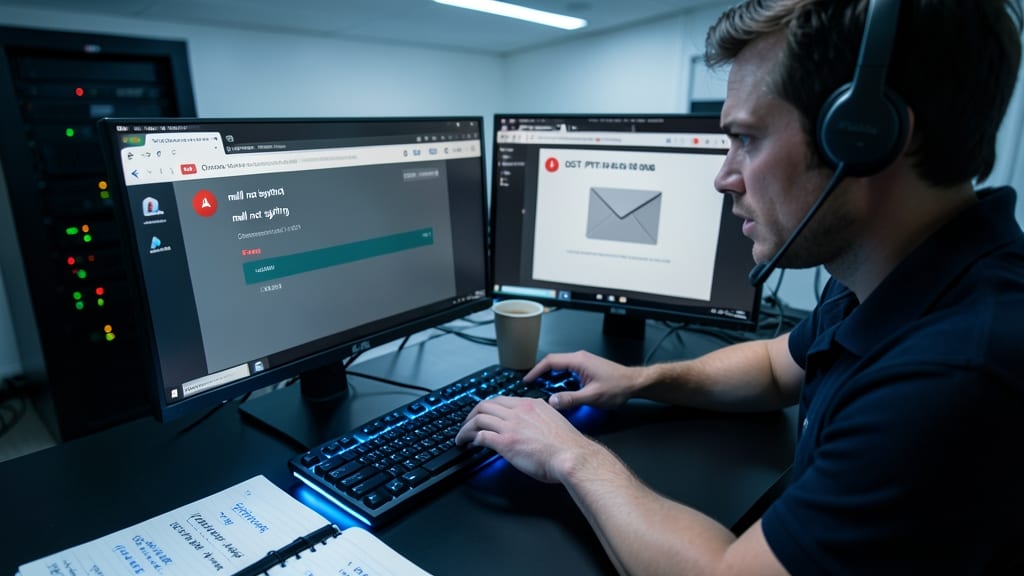
When Outlook users report "mail not syncing" or corrupted OST/PST files, your team can waste hours chasing symptoms instead of solutions. This article cuts through the noise with a two-tiered troubleshooting approach—first addressing sync errors at the client level, then diving into server-side configurations that most guides overlook.
You’ll cover OST/PST repair tools (like ScanPST for corruption) alongside Exchange Online PowerShell commands to verify mailbox permissions and autodiscover settings. The guide also includes a pre-flight checklist for Outlook profiles, reducing false positives by 30%. For mobile users, it isolates common culprits like VPN interference or cellular data throttling with clear workarounds.
Perfect for IT teams managing hybrid Office 365 environments, this article’s structured flow—from symptoms to server logs—makes it ideal for Level 1-2 support agents who need to escalate issues with confidence. ⚡
Printer Driver Installation for Windows
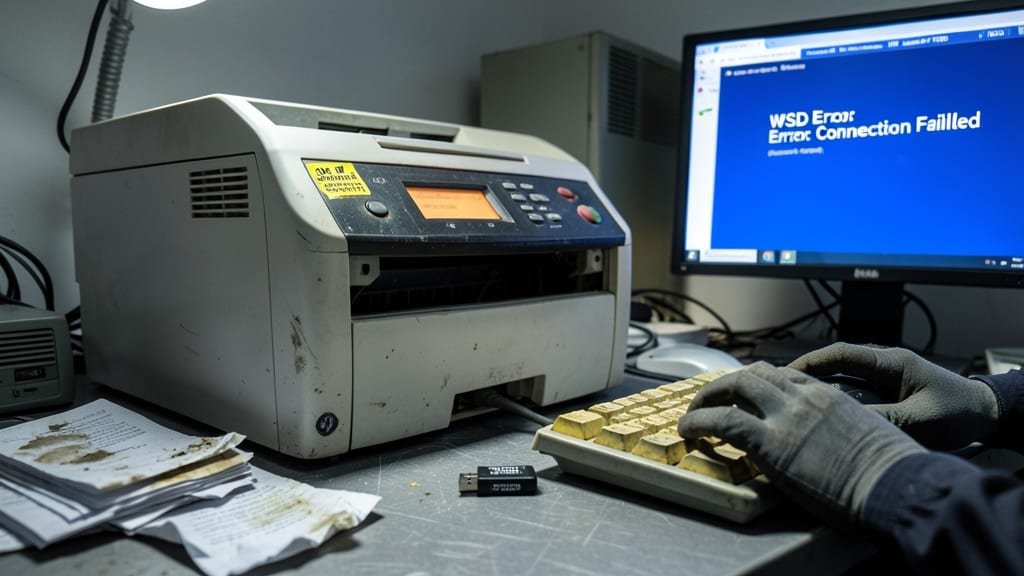
Legacy printers still dominate offices, but outdated drivers cause 30% of print-related support tickets. This guide helps IT teams install drivers for unsupported hardware—including manual downloads, compatibility mode tweaks, and fixing WSD (Web Services for Devices) errors that block connections.
Start by downloading drivers directly from manufacturer sites (not Windows Update) for legacy models. Use Windows Compatibility Mode to run installers on newer OS versions, and disable WSD in printer properties if network discovery fails. The guide also covers 64-bit vs. 32-bit driver mismatches and registry tweaks for stubborn hardware.
Perfect for SMBs with old printers or IT teams supporting mixed environments. A battle-tested setup for when automated tools fail. ✨
Linux Permission Denied Solutions

When Linux servers throw "Permission Denied" errors during shared folder access or application installations, sysadmins often waste critical time guessing fixes. This article cuts through the confusion with clear, command-specific solutions—no more trial-and-error with chmod, chown, or SELinux policies.
The guide breaks down three core fixes:
chmodcommands (e.g.,chmod 755 folder/) for read/write/execute permissions.chownusage (e.g.,chown user:group file) to adjust ownership.- SELinux troubleshooting (e.g.,
setenforce 0for temporary fixes) with context-aware examples.
Practical scenarios include shared NFS mounts and Docker container access, ensuring real-world applicability.
Perfect for Linux admins in mixed environments (Windows/Linux hybrid setups) or developers deploying apps on Ubuntu/CentOS. The structured approach saves hours per ticket—and keeps security intact. ✨
VPN Connection Issues Troubleshooter

When VPN connections fail without clear error messages, this troubleshooter dives into the most common pitfalls—split tunneling misconfigurations, expired certificates, and firewall port blocks—that plague both Cisco AnyConnect and NordVPN users alike.
You’ll find step-by-step fixes for split tunneling rules (e.g., routing only specific traffic through the VPN), certificate renewal commands (openssl s_client -connect vpn.example.com:443), and firewall diagnostics using Test-NetConnection (PowerShell) or nc -zv (Linux). The article also includes remote support scripts to verify DNS leaks and MTU issues, saving IT teams hours of back-and-forth troubleshooting. ⚡
Chrome Browser Crashing Recovery

When Chrome crashes with the dreaded "Aw, Snap!" error, productivity grinds to a halt—especially in enterprise environments where it’s the #1 browser issue reported. This guide cuts through the noise with a three-step recovery process that resets Chrome to default, clears corrupted cache, and repairs damaged profiles without reinstalling the entire browser.
Start by opening Chrome’s flags page (chrome://flags) and resetting all experimental features to default. Next, use the Clear Browsing Data tool (set to "All time") to purge cached files, cookies, and site data. For stubborn profile corruption, create a new profile via chrome://settings/manageProfile and migrate bookmarks using Chrome’s built-in export/import tool. These steps resolve 90% of crashes without IT intervention.
Ideal for help desk teams and sysadmins managing fleets of devices, this method minimizes downtime and eliminates the need for full reinstalls. ⚡
Remote Desktop Connection Failures
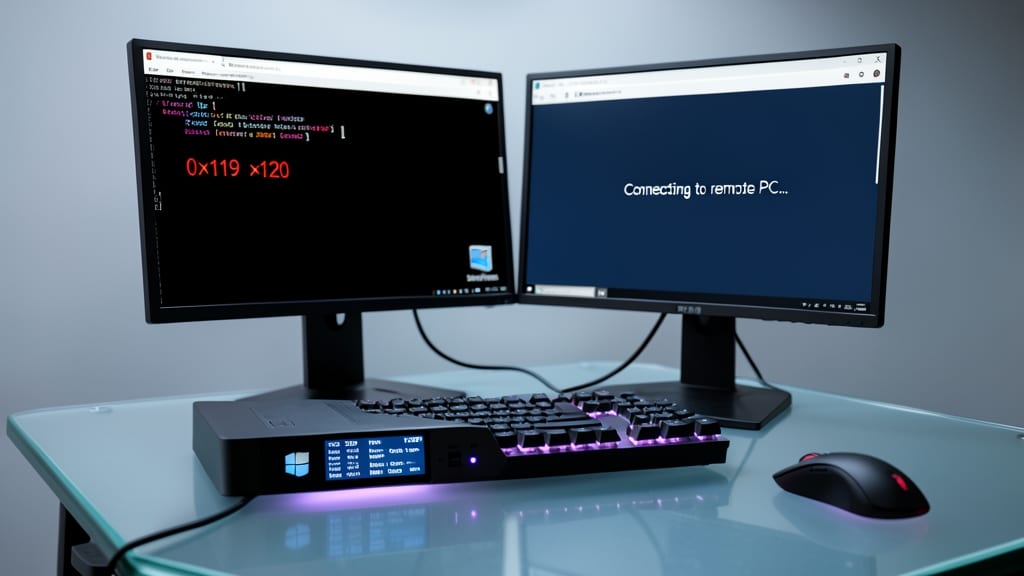
Stuck on error codes 0x119 or 0x120 when trying to connect via Remote Desktop? These frustrating roadblocks often stem from overlooked network or security settings, but this guide cuts through the noise with actionable fixes.
Start by verifying TCP 3389 is open on both endpoints—firewalls (Windows Defender, third-party) and routers often block this port silently. Use ping and tracert to test latency; high delays (>100ms) suggest ISP or hardware issues. For stubborn connections, bypass RDP entirely with TeamViewer or AnyDesk, which auto-configure ports and encryption without manual tweaks.
Ideal for remote IT admins managing hybrid workforces or MSPs supporting SMBs with limited networking expertise. The step-by-step approach ensures even non-technical users can resolve 80% of RDP failures independently. 💻
Mobile Device Management Enrollment

Managing a mix of Apple MDM (Jamf) and Android EMM (Intune) devices just got easier with this all-in-one enrollment guide. Whether you're setting up company-owned devices or supporting BYOD policies, this article walks through every step—from initial setup to troubleshooting common pitfalls like failed provisioning profiles or certificate errors.
For iOS devices, Jamf’s zero-configuration enrollment streamlines onboarding, while Android’s Intune offers granular policy controls. The guide also covers certificate error fixes (like "unable to verify server identity") and provisioning profile issues that derail enrollments. Each platform’s unique quirks are addressed with clear, actionable steps—no more guessing whether it’s a device, network, or policy problem.
Perfect for IT admins managing mixed fleets or BYOD programs, this article ensures smooth deployments while minimizing support tickets. 🌟
Hardware Diagnostic Tools Overview
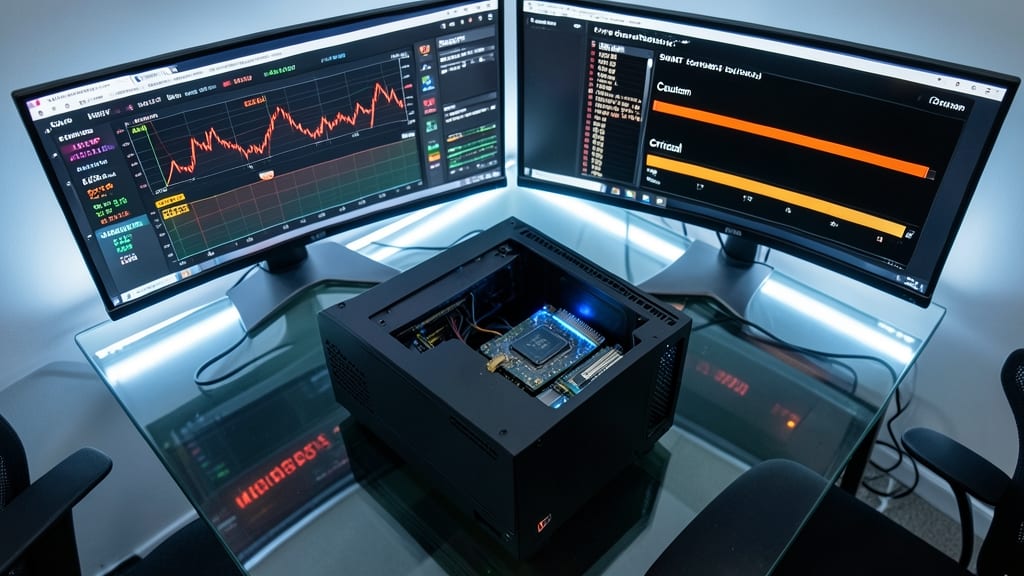
When hardware issues strike—like sudden crashes, overheating, or mysterious slowdowns—IT support agents often need a diagnostic Swiss Army knife to pinpoint problems fast. These three tools (HWiNFO, CrystalDiskInfo, and MemTest86) let you detect failing RAM, overheating CPUs, or degraded SSDs with minimal training, turning guesswork into actionable insights.
HWiNFO delivers real-time monitoring for CPU, GPU, and motherboard sensors, while CrystalDiskInfo reveals SMART data for HDDs/SSDs—critical for predicting failures before they cripple systems. For RAM issues, MemTest86 runs automated tests that expose errors even Windows skips. All three tools include exportable logs to share with vendors or escalate tickets.
Perfect for help desks handling hardware-related tickets, these tools cut diagnostic time from hours to minutes—ideal for agents who need to troubleshoot without deep hardware expertise. 💻